
The Real Value of an LTO Isn’t Sales — It’s What You Learn

Keegan Wilson
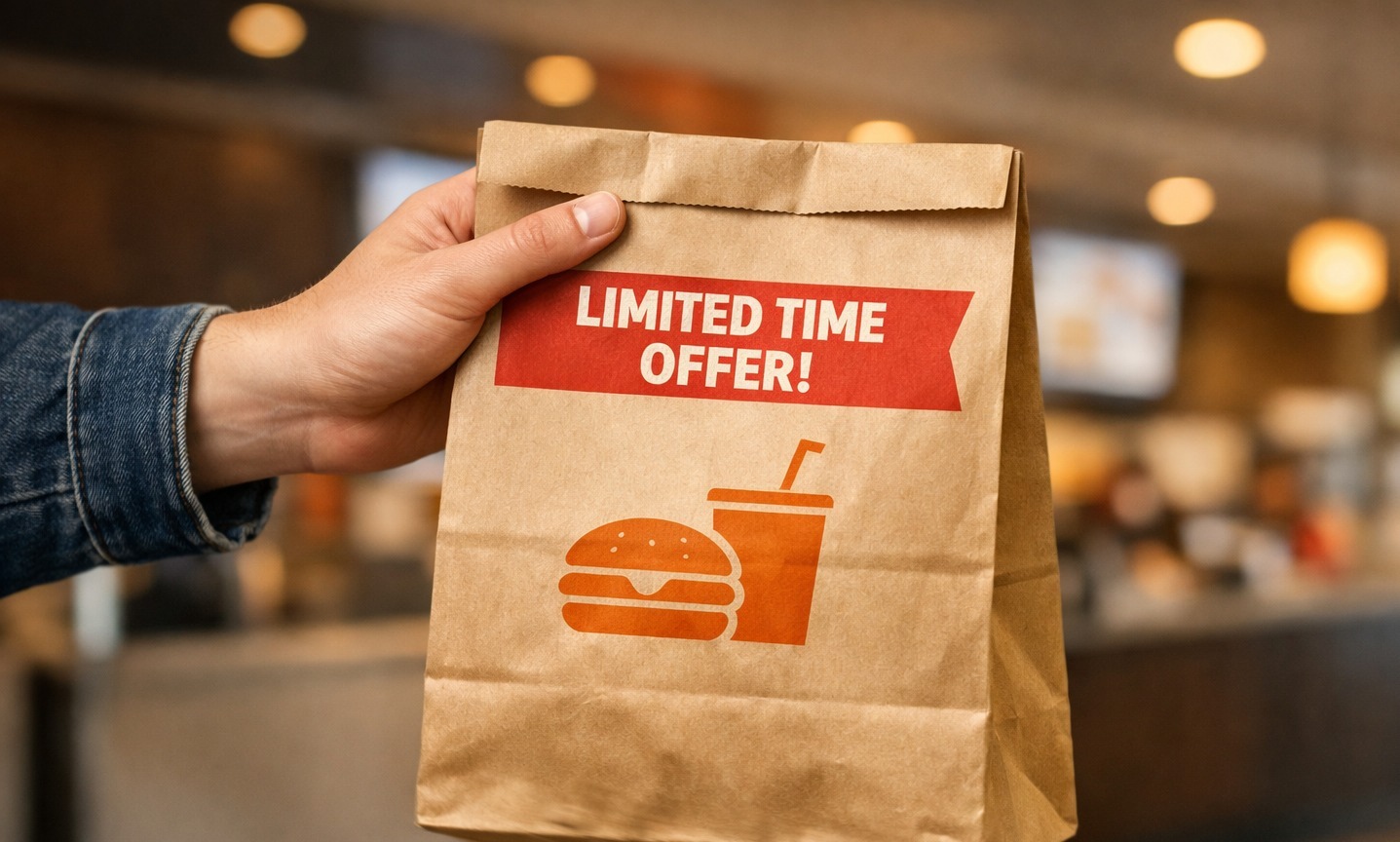
Most brands judge a limited-time offer by one metric: did it lift sales?
That’s understandable. LTOs are designed to create urgency. They drive traffic spikes, generate social buzz, and give customers a reason to visit now instead of later. When the numbers jump during the promotional window, it feels like success.
But the real ROI of an LTO isn’t the short-term revenue bump. It’s the insight.
Every LTO is a live experiment - a controlled test of demand, pricing, operations, and customer behavior. In a market where margins are tight and preferences shift quickly, that kind of real-world testing environment is incredibly valuable. The brands that consistently win aren’t just launching LTOs. They’re learning from them.
Permanent menu innovation is expensive. It requires supply chain commitments, team retraining, system updates, and long-term risk. LTOs provide a safer proving ground. Because they’re temporary, they give brands permission to experiment. Guests are more willing to try something new. Operators can tolerate a bit of added complexity, knowing it has an end date. Supply chains can flex without full reconfiguration.
And this isn’t just theory - roughly 22% of LTOs perform well enough to earn a permanent spot on menus. Many of the most successful long-term innovations begin as limited-time experiments.
But the strategic advantage only emerges when brands look beyond headline sales numbers and start connecting performance to who showed up.
Instead of asking, “How much did it sell?” better questions surface:
- Who purchased the item — new guests or existing loyalists?
- Did it increase average check, or simply replace other menu items?
- What was the attachment rate?
- Did loyalty engagement improve?
- How did it impact throughput and in-store execution?
This is where guest recognition becomes the real advantage. When brands can tie LTO performance to identifiable guest behavior, the picture sharpens quickly. An LTO that attracts first-time guests serves a different strategic purpose than one that increases frequency among high-value regulars. One builds the top of the funnel. The other deepens lifetime value.
Because LTOs operate within a defined time window, they generate clean, focused data sets. That makes them one of the clearest opportunities to isolate demand signals and understand customer behavior in a controlled way.
An offer that doesn’t break sales records may still reveal high repeat intent within a specific segment. A regional performance gap may point to localized preferences. A pricing test may uncover elasticity that informs future menu engineering decisions. Meanwhile, a traffic-driving LTO can generate volume without value — especially if it primarily attracts one-time discount seekers with low retention.
Those insights often outlast the promotion itself.
When brands treat LTOs as structured experiments, the benefits extend far beyond the launch period. They improve forecasting accuracy, refine pricing strategy, optimize promotional calendars, and reduce operational friction before rolling something out permanently. Even a perceived “failure” can become a strategic win if it surfaces constraints or unmet demand that would have been far more costly to discover at scale.
In today’s QSR environment, experimentation isn’t optional. LTOs are no longer just promotional tactics designed to spike traffic. They’re diagnostic tools - revealing how customers respond, how operations perform, and where sustainable growth opportunities truly exist.
The brands that approach LTOs as learning engines, not just sales events, won’t just innovate faster.
They’ll innovate smarter.
