

The Hidden Cost of Not Knowing Your Customers

Keegan Wilson
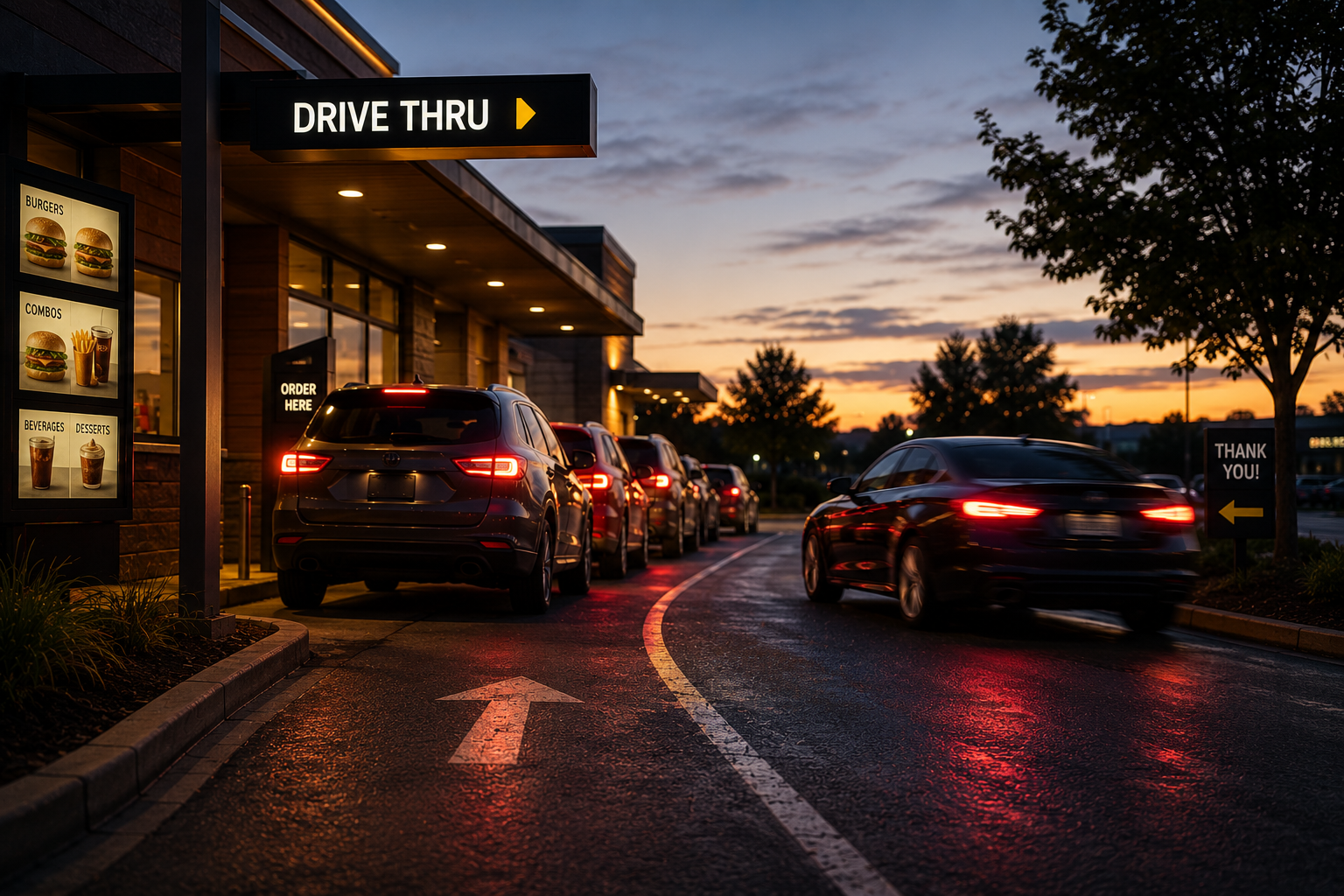
On a cloudy Tuesday afternoon, the drive-thru at a well-known QSR brand looked normal, steady but unspectacular. But inside, tension simmered. Lunchtime numbers had dipped again, and no one could agree why.
Marketing blamed a competitor’s promotion. Operations pointed to throughput. Finance cited rising costs. Loyalty analytics showed nothing out of the ordinary.
Each team had a piece of the truth.
No one had the whole picture.
Meanwhile, customers had quietly changed their routines. Some shifted to mobile ordering elsewhere. Others grew impatient with inconsistent drive-thru times. Some simply felt unrecognized. The decline didn’t announce itself, it whispered through subtle behavior changes that no one saw until the Profit and Loss statement made it obvious.
This is the hidden cost of not truly knowing your customers.
The Illusion of Understanding
Most QSR leaders feel confident that they know their customers. Years of experience and data reinforce that belief. Patterns seem predictable. Loyalty appears stable.
Yet modern customers aren’t predictable.
Their missions shift. Their expectations evolve. Their definition of fast, friendly, and frictionless grows sharper with every digital experience they encounter.
What looks like loyalty can actually be habit, habit that’s one friction point away from breaking.
The greater challenge? Traditional data only shows what happened.
But competitive advantage now lies in understanding what’s happening and what will happen next.
The Hidden Costs Leaders Don’t See
Because behavioral shifts are subtle, the impact is often misinterpreted as operational noise. But beneath the surface, real costs accumulate.
- Lost Relevance
Guests who once felt connected now receive generic promotions. Breakfast offers sent to afternoon regulars. Upsell attempts that ignore actual buying patterns.
Relevance fades quietly, engagement even more so. - Internal Misalignment
Marketing pushes offers the drive-thru can’t execute efficiently.
Operations schedule based on outdated trends.
Leadership reacts to lagging signals rather than leading indicators.
Nothing “breaks,” but everything becomes slightly less effective. - Insight That Arrives Too Late
By the time sales show a downturn, the customers behind the shift may already be gone. QSRs rarely lose customers suddenly, they lose them slowly and silently.
What High-Performing QSRs Are Doing Differently
A new pattern has emerged among brands outperforming in today’s market: they operate with intelligence, not assumption.
These leaders leverage real-time clarity around:
- how behavior is shifting
- which customer cohorts are drifting
- what next-best-actions will resonate
- where friction is emerging in the journey
- when emotional connection is weakening
They don’t wait for spreadsheets to reveal trouble.
They sense changes as they happen and act with precision.
This shift isn’t about technology for technology’s sake.
It’s about empowering leaders, marketers, and operators to see customers clearly enough to influence outcomes, not chase them.
A Story of Turnaround: Making the Invisible Visible
Let’s return to the Tuesday lunch rush.
After months of speculation, the brand finally moves toward understanding instead of guessing. Almost immediately, four insights come into focus:
- The issue wasn’t price - it was inconsistency.
A specific bottleneck during a 20-minute window had eroded trust. - A once-loyal afternoon cohort had gone quiet.
Their routines shifted long before sales reflected the change. - Guests open to buying more weren’t being prompted meaningfully.
Staff defaulted to scripts instead of insights. - Engagement evaporated the moment guests left the window.
No emotional continuity. No reinforcement. No relationship building.
For the first time, operators had clarity.
Marketing had precision.
Leadership had alignment.
Within weeks, the lunch segment stabilized.
Within months, loyalty strengthened in ways the brand had not expected.
The turnaround didn’t require harder work.
It required clearer understanding.
The Shift
Customer behavior will always shift.
The brands that thrive will be the ones that see those shifts early enough to respond thoughtfully.
The hidden cost of not knowing your customers isn’t just lost revenue, it’s lost connection, relevance, and momentum.
But when a QSR truly understands its guests - when it detects early changes, personalizes moments, empowers operators, and creates fast, friendly, frictionless experiences - loyalty becomes something far more valuable than repeat visits.
It becomes trust.
